29 October 2026
Explore Cuban Baking Traditions in Aurora CO
Presented by @jaredmbap175
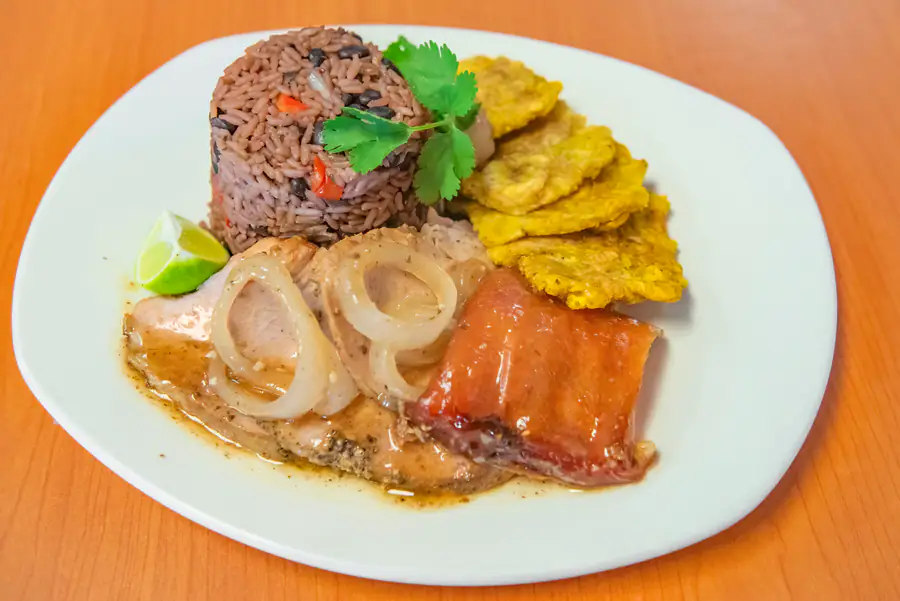
Aurora is not the first place most people picture when they think about Cuban baking. Miami usually claims that mental space, with its ventanitas, trays of pastelitos, and the perfume of strong coffee drifting onto the sidewalk before sunrise. Yet food traditions rarely stay still. They travel with families, settle into new neighborhoods, adapt to local weather, local ingredients, and local appetites. That is part of what makes seeking out Cuban baking in Aurora so rewarding. You are not just tasting recipes. You are tasting memory, migration, and adjustment.
A good Cuban bakery offers far more than sweets in a glass case. It tells a story about daily life. In Cuban food culture, baked goods are not reserved for formal celebrations alone. Many belong to the rhythm of ordinary mornings, afternoon coffee breaks, and quick stops on the way home. The best pieces are practical, handheld, shareable, and deeply comforting. They are meant to be eaten warm, or close to it, often with coffee so strong it stands up to sugar and milk without losing its edge.
For anyone searching for a Cuban bakery Aurora CO residents can return to again and again, it helps to know what defines the tradition in the first place. Cuban baking sits at the crossroads of Spanish technique, Caribbean ingredients, and the lived realities of island life and exile. It includes flaky pastries, enriched doughs, savory handhelds, custards, guava fillings, coconut, cheese, and a love of balance between richness and restraint. A proper pastelito, for example, should feel indulgent without becoming heavy. A slice of Cuban bread should have a delicate crackle outside and an airy, almost feathery interior https://www.google.com/maps?cid=7703775998023059643 that still stands up to a pressed sandwich.
What makes Cuban baking distinct
Cuban baking rewards close attention. At a glance, some items can resemble pastries from other Latin American traditions, but the details matter. Shape, sweetness level, dough texture, and even how a filling is layered all change the experience.
One of the clearest markers is the use of laminated or semi laminated pastry dough for pastelitos. The exterior should shatter lightly when bitten, leaving fine flakes rather than greasy chunks. Inside, the filling often leans toward guava, cream cheese, coconut, or seasoned meats. The sweet pastries tend to be more fragrant than sugary. Guava contributes floral acidity and a deep ruby color. Cream cheese adds salt and fat that keep the whole pastry from drifting into one note. When both appear together, the contrast does most of the work.
Savory baking traditions matter just as much. Cuban style croquetas are not baked in the strictest sense, but they often live in bakery cases because bakeries function as all purpose gathering places. Meat pies, ham pastries, and stuffed breads show how practical Cuban food can be. These are foods built for movement, for workers grabbing breakfast, for children needing a snack, for hosts putting out a tray before company arrives.
Then there is bread. Good Cuban bread is deceptively difficult. The crust needs enough structure to hold a sandwich press, but not so much that it tears the roof of your mouth. The crumb should be light and almost cottony, not dense like a European country loaf. In humid climates, bread behaves one way. In Colorado, and especially in the dry air around Aurora, it behaves another. Bakers who pursue authentic texture here have to make constant adjustments. Hydration, proofing times, oven steam, and flour performance all shift at altitude. When a local bakery gets it right, that achievement deserves respect.
The pastries worth understanding before you order
If you walk into a Cuban bakery without context, the case can look simple. Rectangles, braids, turnovers, rolls. The visual language is modest compared with highly decorated French patisserie. That modesty is part of the appeal. Cuban baking is usually more interested in flavor and familiarity than showmanship.
Pastelitos are often the entry point. The classic guava pastelito is a benchmark because it reveals whether the bakery understands balance. Too much filling and the pastry turns soggy. Too little and you are left chewing flakes with only a hint of fruit. Better versions keep the guava jammy but not gummy. The pastry stays crisp at the corners and tender at the folds. Guava and cheese pastelitos push the point further, pairing sweet fruit with creamy dairy in a combination that sounds simple and often tastes more nuanced than expected.
Coconut pastries deserve attention too. In lesser hands, coconut fillings become cloying or stringy. In stronger bakeries, coconut is toasted just enough to deepen its sweetness and bring out a nuttier profile. That slight caramelization matters. It gives the filling body and keeps the flavor from flattening.
For people who prefer savory food in the morning, meat filled pastries and ham pastries can be the better first order. Here the trade off is between seasoning and texture. If the filling is overworked, it becomes pasty. If it is underseasoned, the pastry tastes bland no matter how well it was baked. Look for filling that still has some character, some structure, and a clear savory edge without leaking grease into the bottom crust.
Another category that deserves mention is Cuban cake, especially the style often served at birthdays and family gatherings. This is not a towering, aggressively frosted American celebration cake. The crumb is usually lighter, the sweetness more measured, and the filling often fruit based or custard based. Meringue style frosting appears frequently. It can be beautifully old fashioned when done well, with a soft, marshmallow like finish instead of the butter heavy density many people expect from bakery cakes today.
Why coffee belongs in the conversation
You cannot talk about Cuban baking honestly without talking about coffee. Even if you came for pastry, coffee changes how the pastry reads on the palate. Sweetness, salt, and butter behave differently after a sip of café con leche or a shot of Cuban espresso. The bitterness lifts fruit notes. The milk smooths edges. The sugar in the coffee, if prepared in a more traditional style, creates its own tiny dessert.
This pairing shapes portion size too. Many Cuban pastries are not meant to be giant. They are often smaller than the oversized bakery items common in suburban American display cases. That is not a flaw. It is part of the eating culture. You have a pastry with coffee, maybe another half later, perhaps one savory and one sweet if you came hungry. The bakery visit feels frequent and social instead of maximalist and occasional.
In Aurora, where coffee culture includes everything from chain drive throughs to serious third wave roasters, Cuban coffee offers a different logic. It is less about tasting notes and more about force, comfort, and rhythm. It anchors the bakery experience.
Aurora changes the baking equation
Colorado’s elevation and dry climate influence almost every baked good, but they are especially challenging for traditions built elsewhere. Dough dries faster. Butter behaves differently. Fillings lose moisture at different rates. Sugar work can swing from supple to sticky with surprising speed. Anyone who has baked regularly in the Front Range knows that recipes carried over from sea level often need practical revision.
That is why local Cuban baking deserves to be understood as living craft rather than rigid reproduction. Purists sometimes use authenticity as a blunt instrument, but good bakers know better. If a pastry in Aurora needs a little more moisture in the dough or a shift in proofing time to deliver the texture people expect from Havana or Miami, that is not betrayal. That is expertise. Tradition survives through intelligent adjustment, not blind repetition.
The same logic applies to sourcing. Some bakeries can secure preferred ingredients with ease. Others work with what is available locally and make careful substitutions. The question is not whether every ingredient arrived through an ideal supply chain. The question is whether the final result preserves the spirit and structure of the original. Does the guava taste vivid? Does the bread have the right pull? Does the pastry feel delicate rather than heavy? Those are the tests that matter to customers standing at the counter.
Reading a bakery case like someone who has been there before
There is a quiet skill to choosing well at a Cuban bakery. Timing matters. So does observation. Not every item peaks at the same hour.
Warm pastries fresh from the oven usually deserve priority, especially if you are trying a place for the first time. Lamination and crispness fade as the day moves on. Fillings remain good, but the contrast between shell and center is often best within the first several hours after baking. Bread also has a window. Cuban bread is wonderful the day it is baked and can still make an excellent pressed sandwich later, but it is not a loaf that improves over several days the way some sourdoughs do.
You can learn a lot by watching what regulars buy. If several customers come in and order a specific pastry by name without looking up at the case for long, notice that. Longtime customers usually know the bakery’s strengths. They also know which items sell out first, which is often the clearest signal of quality.
If you are new to the tradition, these are sensible first choices:
- A guava or guava and cheese pastelito, because it shows the bakery’s pastry work and flavor balance.
- Cuban bread, if available, because bread exposes technique more than sugary toppings ever will.
- One savory pastry, to see whether the bakery treats non sweet items with the same care.
- Coffee, because the experience is incomplete without it.
That small order tells you almost everything important. You will taste sweetness, salt, texture, and whether the bakery understands how its products fit together.
The social side of Cuban baking
The bakery is not only a retail space. In many Cuban communities, it acts as an informal town square. Families stop in on weekend mornings. Older customers linger over coffee. Workers pick up boxes for the office. Someone orders a birthday cake. Someone else grabs bread and pastries for a last minute visit to relatives. The space earns trust not by spectacle but by repetition.
That social role can be harder to spot in a newer market like Aurora, where communities are spread out and driving patterns shape where people linger. Still, the signs are there when a bakery becomes part of neighborhood life. Staff start remembering orders. Customers ask what just came out of the oven. Spanish and English overlap naturally at the counter. A person buying one pastry leaves with six because they remember who is at home.
What makes this especially meaningful in a city like Aurora is the way food builds bridges across backgrounds. People who grew up with Cuban pastries arrive with nostalgia and a high bar. People who did not grow up with them arrive with curiosity. A strong bakery can serve both without flattening the tradition into a generic “Latin pastry” category. That distinction matters. Specificity is respect.
Flavor memories, and why guava carries so much emotional weight
There are ingredients that function almost like a language. Guava is one of them in Cuban baking. Its flavor is instantly recognizable, floral, ripe, slightly musky, bright enough to cut through butter and cheese. For many people, it carries the emotional load of childhood breakfasts, family parties, roadside stops, or bakery boxes opened at kitchen counters while coffee brews.
That emotional weight explains why guava pastries can provoke such strong opinions. Some people want a thick, dense filling. Others prefer a thinner layer distributed more evenly. Some love the guava and cheese combination; others think cheese softens the fruit too much. Those disagreements are not trivial. They are signs of a living food tradition with room for house style and personal memory.
The same can be said for coconut, custard, and sweetened cream fillings. Recipes vary from family to family and bakery to bakery. What matters is coherence. The flavors should feel intentional, not random. Even small pastries should tell a complete story in two or three bites.
Savory items deserve equal respect
It is easy for visitors to treat Cuban bakeries like dessert stops, but that misses half the pleasure. Savory baked goods show a baker’s discipline. Sweet fillings can hide flaws. Meat and ham cannot. If the dough is dry, you notice. If the seasoning is muddy, you notice. If the pastry shell absorbed too much grease, you definitely notice.
This is where local execution in Aurora can be especially interesting. Customers often arrive with broad tastes shaped by Mexican bakeries, American breakfast habits, and grab and go lunch expectations. A bakery may respond by expanding savory offerings or adjusting portion sizes. There is no single correct way to do that, but the strongest shops keep the Cuban core visible. They do not sand away the identity of the food just to make it legible to everyone.
When savory items are handled well, they become the reason people return on weekdays, not just weekends. A sweet pastry may win your attention. A reliable savory one earns your routine.
How to bring the experience home
Buying from a bakery is one thing. Serving those pastries well at home is another. Cuban baked goods are generous to hosts because they do not require elaborate plating, but a little care helps.
Keep pastries in paper rather than sealed plastic if you plan to eat them the same day. Paper protects them without trapping steam and softening the crust too quickly. If you need to refresh them later, a brief warm up in the oven usually revives texture better than a microwave, which tends to toughen dough and turn flaky pastry limp. Bread benefits from similar treatment. A short reheating can restore some life, but only if you avoid overbaking it into dryness.
For gatherings, a mixed box works better than overcommitting to one filling. Sweet and savory balance the table, and coffee does the rest. You do not need a formal dessert course. In many homes, the pastry box itself becomes the centerpiece. People open it, point, negotiate, split pieces, and talk. That informality is part of the tradition’s charm.
What to look for in a standout Cuban bakery in Aurora
Not every bakery that carries a few Latin pastries operates from a deep Cuban tradition. If you are looking for the real thing, details tell the story.
A standout Cuban bakery usually shows consistency more than flash. The pastries should look cared for rather than mass produced. Fillings should taste distinct. Bread should feel purposeful, not like an afterthought tucked into the menu because customers expect it. Coffee service should make sense with the rest of the offerings. Staff should be able to identify pastries clearly and guide first time customers without confusion.
There is also a less obvious marker, rhythm. In a serious bakery, products move. Trays empty and refill. Nothing feels as though it has been sitting untouched for days. Freshness is not only a quality issue, it is a sign that the bakery has a regular audience. That matters, especially when you are evaluating a Cuban bakery Aurora CO locals recommend for both daily stops and special orders.
A tradition that thrives through repetition
People often romanticize heritage food as something reserved for holidays and milestone events. Cuban baking resists that framing. Its strength lies in repetition. A pastry before work. Bread for sandwiches. Cake for a birthday. Coffee in the afternoon. Another stop on Sunday because guests are coming. Over time, the bakery becomes part of a household’s operating system.
That is why exploring Cuban baking in Aurora feels larger than checking a culinary box. It is about seeing how a tradition settles into a new place without losing itself. It is about the discipline required to produce familiar textures in an unfamiliar climate. It is about how small foods carry large memories, and how those memories become legible even to newcomers once they taste something made with conviction.
For longtime fans of Cuban pastries, Aurora offers the pleasure of recognition. For first timers, it offers one of the best kinds of food discovery, the kind that feels both specific and welcoming. Walk in hungry, order with curiosity, and pay attention to the details. The flakes on your sleeve, the shine of guava against warm pastry, the way coffee snaps the sweetness into focus, those are the details that stay with you.
Cuba Bakery & Café
15028 E Mississippi Ave, Aurora, CO 80012
+1 303-752-2822
FAQ About Cuban bakery Aurora CO
What are Cuban pastries called?
Many small Cuban pastries are called pastelitos. They can have sweet or savory fillings, such as guava, cheese, guava and cheese, or seasoned meat. Cuba Bakery & Café lists guava, cheese, guava-and-cheese and beef pastries on its menu. Ask the bakery about current availability and ingredients when ordering.
What are traditional Cuban pastries?
Common Cuban bakery choices include flaky pastelitos filled with guava, cheese or meat. Cuban bakeries may also offer empanadas, breads and desserts alongside coffee. Cuba Bakery & Café lists pastelitos, several empanada fillings, pan Cubano and desserts such as tres leches and bread pudding. Selection can vary, so confirm the day's choices with the bakery.
What makes Cuban bread different?
Cuban bread is known for its light interior and a thin crust that becomes crisp when toasted or pressed. Traditional recipes often use lard, although ingredients vary by baker. It is commonly served as buttered toast or used for Cuban sandwiches. Cuba Bakery & Café lists pan Cubano and tostada on its menu; ask staff about the ingredients in their bread if you have dietary restrictions.